







Srikanth KondapalliIndia should not let its guard down as China is likely to up the ante by furthering militarisation, construction of dual-use ‘well-off society’ villages across the LAC and diverting waters of Yarlung ZangboDespite the expectations that China’s...
Chintamani MahapatraThe meeting turned out to be just a conversation between ‘old friends’ over their critical differences over strategic, economic, and political developments in recent years.America’s allies, strategic partners, the international business community, and traders were eagerly watching...
In March 2020 I wrote about how Ladakh, India’s northernmost region bordering Tibet, faces a stark choice between succumbing to the dominant logic of ‘development’ that would erase its ecological and cultural uniqueness, and forging its own path of well-being building on this uniqueness. The context was that in August 2019, Ladakh went from being a region within the state of Jammu and Kashmir (J&K), to a union territory (UT), administered directly by the central government in New Delhi. This was part of a decision by Delhi to make a dramatic change in the status of Jammu and Kashmir as a whole, from being a state with relative independence guaranteed under special provisions in the Indian constitution, to being two union territories under central government control (J&K as one, Ladakh as the other). The consequences of this action for J&K have been serious, but here I focus on Ladakh.
On 2nd November, at the 26th Climate Conference of Parties, 124 countries issued a Declaration on Forests and Land Use. It contains a bold commitment to “halt and reverse forest loss and land degradation by 2030 while delivering sustainable development and promoting an inclusive rural transformation.” Such a goal, it recognizes, is essential to meet the Paris Agreement to limit global average temperature increase to below 2 degrees and if possible, to 1.5 degrees.
Urvashi PrasadThe health sector is information intensive. Over the last few years, India has announced several policy measures to usher in a new era of technology-enabled healthcare delivery.Following a pilot in six Union Territories, the Prime Minister recently announced...
TK ArunRetail Direct will entice no retail investor to government bonds and only serves to keep Sebi off the central bank’s jealously guarded G-sec trading turfEver since the Reserve Bank of India (RBI) went along with Narendra Modi in...
Energy Security has always been a concern for all the countries in the world, as with modernization, the use of energy has been increasing rapidly and people’s life and the national economy becoming dependent on the usage of energy....
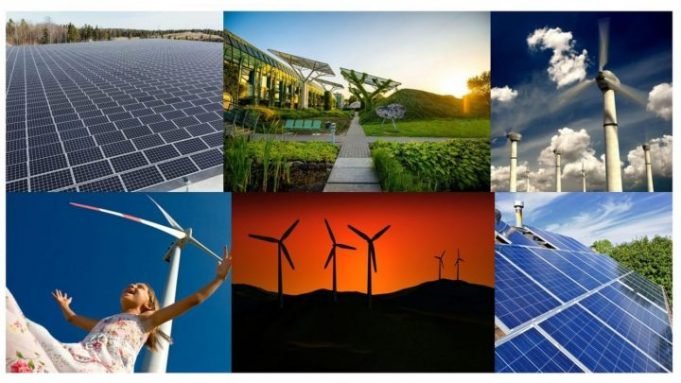
Energy Security has always been a concern for all the countries in the world, as with modernization, the use of energy has been increasing rapidly and people’s life and the national economy becoming dependent on the usage of energy....
Manoj MishraThe irony couldn’t be crueler and the power of the lobby any more evident. Last week, when Environment Minister Mr. Yadav steps out of the chute at Delhi’s Indira Gandhi International Airport (IGIA) like a victorious ‘General’ having...
Indo-Pak relations despite the last February ceasefire have been at their lowest. Deepening Mistrust between the two nuclear neighbours has become accentuated with the onset of Taliban in Afghanistan where Pakistani deep state continues to indulge in zero sum game while keeping the cross border terrorist activities into India alive. Fears of extremist groups and fighters fresh out of Afghanistan via Pakistan ingressing into J&K cannot be wished away. India’s recent efforts to host a regional meet of NSA’s in Delhi later in the week on dire situation and much needed assistance to embattled and deprived Afghan people has been shunned by the Pakistani NSA calling it as being done by a ‘Spoiler turning into Peacemaker’.