



Saniya Verma
Public policy is often envisioned as a tool to address societal needs, promote equitable development, and strengthen governance. In India, a country characterized by deep social, cultural, and economic diversity, public policy plays a central role in shaping the lives of millions. Yet, many marginalized communities including Dalits, Muslims, tribals, refugees, and other socially excluded groups remain at the peripheries of policy design and implementation. While laws, welfare schemes, and reforms exist on paper, the lived experiences of these communities often tell a different story. This blog explores the interaction between public policy and marginalized voices and reflects on why their inclusion is essential for building an equitable and just society.
The Intent of Public Policy and the Gap in Practice
At its core, public policy is designed to guide governance, allocate resources, and address societal challenges. Policies aim to create frameworks for social, economic, and political development. However, there is frequently a significant gap between the intent of a policy and its actual impact on the ground. One reason for this is the lack of inclusion of marginalized voices during policy formulation. Policies are often designed in urban, elite, or majority-centric contexts, leading to unintended exclusion of those with distinct social, economic, or cultural realities.
For instance, welfare schemes such as the Public Distribution System (PDS), Mid-Day Meal programs, or health coverage schemes are intended to provide universal access. However, bureaucratic hurdles, administrative inefficiencies, and a lack of awareness often prevent these benefits from reaching the intended beneficiaries. In remote rural areas, tribal populations may face logistical challenges in accessing schools or healthcare facilities. Similarly, refugees and migrant workers may encounter difficulties in obtaining ration cards, identity documents, or social services. These gaps illustrate a critical point: inclusion in policy-making is not just about drafting provisions but ensuring that policies align with lived realities.
Historical Context of Inclusive Policies in India
India’s approach to social inclusion in policy has roots in the Constitution, which explicitly seeks to promote equality and justice. Articles 15 and 17, for example, prohibit discrimination on the grounds of caste, religion, and sex. The reservation system in education and employment aims to rectify historical disadvantages faced by certain communities. Land reform policies and tribal welfare initiatives are designed to secure rights and improve access to resources for marginalized groups. Despite these measures, the implementation of policies has often been uneven. While some communities have benefitted, others remain excluded due to administrative, social, or geographical barriers.
Understanding this historical trajectory is crucial. Policies intended to uplift marginalized communities have evolved over time, influenced by social movements, judicial interventions, and advocacy by civil society. However, persistent gaps reveal that policy effectiveness depends not only on intent but also on execution, monitoring, and feedback mechanisms.
Case Studies: Marginalized Communities and Policy Outcomes
To understand the nuances of public policy’s impact, it is helpful to examine concrete examples:
- Education and Reservation Policies: Reservation policies in India have expanded opportunities for historically disadvantaged groups. However, disparities persist. Tribal students in rural areas often struggle to access quality schools or scholarships due to geographic isolation, lack of infrastructure, and informational barriers. Similarly, Muslim students may face discrimination or social exclusion even when policies exist to support educational inclusion.
- Welfare Schemes for Women: Programs like the Beti Bachao Beti Padhao campaign aim to enhance girls’ education and protect women from discrimination. While these initiatives have seen successes in some regions, patriarchal norms, lack of awareness, and administrative inefficiencies sometimes limit their reach. Women in marginalized communities may remain unaware of entitlements or unable to access benefits due to social constraints.
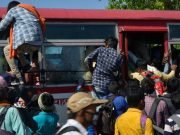
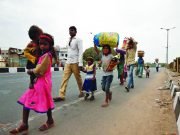
- COVID-19 Relief for Migrant Workers: The pandemic revealed significant gaps in social protection. Migrant workers, many from marginalized backgrounds, faced sudden job loss, housing insecurity, and limited access to government relief. Despite schemes such as direct cash transfers and food support, many were left out due to documentation requirements or systemic exclusion.
- Tribal Land Rights and Forest Policies: Policies intended to protect tribal land rights, such as the Forest Rights Act (2006), are theoretically progressive. However, implementation often faces bureaucratic resistance, local elite capture, and lack of awareness among beneficiaries. This results in continued marginalization despite formal legal protection.
These examples underscore a key insight: policy design is only one part of the equation. Effective implementation, continuous monitoring, and inclusive governance are equally critical to ensure policies achieve their intended objectives.
Social Movements and Civic Engagement: Amplifying Marginalized Voices
Marginalized communities often rely on grassroots activism, civil society engagement, and social movements to assert their rights and influence policy. Movements such as the farmers’ protests have successfully impacted agricultural policy reforms, highlighting the power of collective action. Similarly, climate justice campaigns led by students, environmental activists,
and local communities have shaped policies addressing environmental degradation and resource management.
Digital platforms and social media have further amplified these voices. Online campaigns can highlight gaps in policy implementation, mobilize public opinion, and pressure governments to respond. For example, during the COVID-19 pandemic, social media advocacy brought attention to the plight of stranded migrant workers, prompting some state-level policy interventions.
The involvement of marginalized communities in policy discourse ensures that policies are not only theoretically sound but practically relevant. It transforms governance from a top-down model into a participatory and responsive system.
Challenges to Inclusive Policy Making
Despite efforts to design inclusive policies, several challenges persist:
- Bureaucratic Hurdles: Complex administrative procedures, multiple layers of approval, and lack of coordination between agencies often impede access to policy benefits.
- Corruption and Elite Capture: Local elites may manipulate resources and schemes, preventing marginalized groups from receiving entitlements.
- Socio-Cultural Barriers: Discrimination, caste hierarchies, and patriarchal norms can limit the ability of certain communities to claim their rights.
- Information Gaps: Many beneficiaries are unaware of policies, schemes, or their eligibility due to poor dissemination of information.
Addressing these challenges requires not only policy reform but also continuous engagement with the communities affected, strong accountability mechanisms, and transparent governance.
The Role of Researchers, Educators, and Students
Researchers, educators, and students play a crucial role in making public policy more inclusive. By conducting field research, analyzing data, and sharing findings, scholars can provide evidence-based recommendations that inform policy design and implementation. Academic engagement also ensures that marginalized voices are documented and amplified, bridging the gap between policy intent and social realities.
Towards an Inclusive Policy Framework
- Participatory Policy Design: Involve marginalized communities in consultations, focus groups, and feedback mechanisms during policy formulation.
- Data-Driven Decision Making: Collect disaggregated data on marginalized groups to monitor outcomes and identify gaps.
- Transparency and Accountability: Implement grievance redressal mechanisms and independent monitoring to ensure policies reach intended beneficiaries.
- Capacity Building: Educate communities about their rights and entitlements to enable informed participation in governance.
- Adaptive Policies: Regularly revise policies based on feedback, research, and changing social contexts to improve effectiveness.
These measures can transform policy from a prescriptive tool into a participatory instrument that genuinely addresses social inequalities.
Personal Reflections
Through my research and learning journey in the Public Policy in Practice course, I have come to appreciate the intricate relationship between policy design, implementation, and social inclusion. Engaging with case studies, analyzing data, and observing policy outcomes revealed that well- intentioned policies can fail without active participation from the communities they aim to serve. It reinforced the importance of empathy, evidence, and dialogue in public policy. As a learner, I realized that inclusive governance is not only about drafting laws but also about understanding lived realities, listening to diverse voices, and ensuring policies are adaptable and responsive.
Conclusion
Inclusive public policy is not merely a technical exercise; it is a moral and democratic imperative. By valuing and integrating the voices of marginalized communities, India can ensure that its policies are socially resonant, equitable, and effective. Marginalized populations are not just beneficiaries; they are stakeholders whose perspectives are essential for shaping policies that are just and sustainable. For researchers, students, and policymakers alike, understanding the interplay between policy and lived realities provides both a lens and a responsibility: to advocate for, analyze, and contribute to interventions that reflect the diversity and complexity of society.
Public policy, when informed by the voices of those it seeks to serve, becomes more than governance it becomes an instrument of empowerment, justice, and social transformation.
About the author: Saniya Verma is a policy researcher and writer passionate about international relations, governance, and gender equity. She is currently pursuing her Master’s in Sociology at the Delhi School of Economics. Guided by a liberal humanist perspective, she aims to shape inclusive policies and amplify marginalized voices in India’s socio-political landscape.
Acknowledgment: This article was posted by Aashvee Prisha, a Visiting Researcher at IMPRI.
Disclaimer: All views expressed in the article belong to the author and not necessarily to the organisation.
Read more at IMPRI:
Global Policy Blindspot in Money Laundering – Shell Companies, Tax Havens
From Valley to Vanity: The Unravelling of Dehradun’s Ecological Identity